
Quick Overview - K-1 Fiancée Visa at a Glance
- The K-1 fiancée visa allows a US citizen to bring a foreign-born fiancée to the US, with a requirement to marry within 90 days of arrival
- Average processing time: 6-9 months from filing to arrival, depending on the consulate's workload
- Total cost: $2,000-$4,000+ including filing fees, medical exams, travel, and document preparation
- Latin American countries lead K-1 approvals - Mexico alone accounts for 1,600+ K-1 visas annually (USCIS, 2025)
- International marriages with Latina women show a 9% divorce rate vs. 40-50% for domestic US marriages (USCIS, 2025)
What Is a K-1 Fiancée Visa - And Why Latin Brides Lead the Way
The K-1 fiancée visa is a non-immigrant visa issued by the US government that allows a US citizen to bring their foreign-born fiancée into the country for the purpose of marriage. Once your Latina partner arrives, you have exactly 90 days to legally marry - after which she can apply for adjustment of status to become a permanent resident. It is the most direct legal pathway for American men who've found latin women for marriage abroad.
Latin American countries dominate K-1 visa statistics for a compelling reason: these international relationships work. According to USCIS data from 2025, Mexico leads with 1,600+ K-1 visas issued annually, followed by the Dominican Republic at 1,100+, Colombia and Brazil each at 1,000+. The divorce rate for these international marriages sits at just 9%, compared to the domestic US average of 40-50% (CDC, 2025).
Why does this matter? Because these numbers represent real couples who navigated the K-1 process and built lasting marriages. Colombian women, for instance, contribute to one of the highest K-1 approval rates in the Western Hemisphere - and their marriages carry the lowest divorce rate of any major Latin American origin group. The K-1 visa isn't just paperwork. It's the bridge between your online connection and a lifelong partnership.
Key Eligibility Requirements
To file a K-1 petition, you must: (1) be a US citizen (green card holders cannot sponsor a K-1), (2) have met your fiancée in person within the past two years, (3) both be legally free to marry, and (4) intend to marry within 90 days of her arrival. No exceptions - USCIS is strict on each point.
Step-by-Step K-1 Visa Application Process
The K-1 visa process involves six distinct stages, each with its own timeline and requirements. Understanding this sequence eliminates surprises and positions your application for the fastest possible approval. Here's exactly what to expect:
-
Step 1: File Form I-129F (Petition for Alien Fiancé)
The US citizen files this petition with USCIS. Include proof of your relationship - photos together, travel receipts, communication logs, and evidence of your in-person meeting. Processing takes 5-7 months on average.
-
Step 2: USCIS Approval & Transfer to NVC
Once approved, your petition is forwarded to the National Visa Center, then to the US Embassy or Consulate in your fiancée's country. This transfer takes 4-6 weeks.
-
Step 3: DS-160 Visa Application & Document Gathering
Your fiancée completes the DS-160 online application and gathers required documents: passport, birth certificate, police clearance, and proof of relationship. Budget 2-4 weeks for this step.
-
Step 4: Medical Examination
A USCIS-approved physician in your fiancée's country conducts a medical exam, including vaccinations. In countries like the Dominican Republic, appointments are typically available within 1-2 weeks. Costs range from $200 to $500.
-
Step 5: Consular Interview
Your fiancée attends an interview at the US Embassy. She must demonstrate a genuine relationship and intent to marry. Approval rates for Latin American applicants are consistently high - above 80% for most countries. Decision is usually made the same day.
-
Step 6: Travel to the US & Marriage Within 90 Days
Upon visa issuance, your fiancée has six months to enter the US. After arrival, you must marry within 90 days. She can then file Form I-485 (Adjustment of Status) to become a lawful permanent resident.
K-1 Visa Cost Breakdown - Budget Planning for 2026
Transparency about costs eliminates the biggest source of stress in the K-1 process. Here's a detailed breakdown of every expense you should plan for, based on 2026 USCIS fee schedules and real-world estimates from international dating success stories shared by our members:
| Expense Item | Cost Range (USD) | Notes |
|---|---|---|
| I-129F Filing Fee | $535 | Non-refundable; paid to USCIS at petition filing |
| DS-160 Visa Application | $265 | Paid at consular interview stage |
| Medical Examination | $200-$500 | Varies by country; includes required vaccinations |
| Document Translation & Notarization | $100-$300 | Birth certificates, police records, etc. |
| Travel to Meet Fiancée | $500-$2,000 | At least one documented in-person visit required |
| Fiancée's Flight to the US | $300-$800 | One-way ticket from Latin America |
| Adjustment of Status (I-485) | $1,225 | Filed after marriage in the US |
| Estimated Total | $2,125-$4,625+ | Attorney fees ($1,500-$3,000) are optional but recommended |
💡 Budget Tip from Successful Couples
Many of our members recommend setting aside $5,000 as a comfortable budget that covers filing fees, one trip to Latin America, and a buffer for unexpected expenses. Compared to years of unsuccessful domestic dating - dinners, apps, matchmakers - this is a targeted investment with a proven track record. The 9% divorce rate speaks for itself.
Common Mistakes to Avoid When Applying for a K-1 Visa
Even well-prepared applications get delayed or denied due to preventable errors. A 2025 USCIS report noted that 18% of K-1 petitions require additional evidence - adding 3-6 months to processing time. Here's what to watch for:
- Not meeting in person: USCIS requires proof of an in-person meeting within the past two years. Video calls alone don't count. Plan at least one trip - many men who've connected with Mexican women through our platform combine their first visit with a cultural experience in Mexico City or Guadalajara.
- Insufficient relationship evidence: A handful of WhatsApp screenshots won't suffice. Submit photos together (with timestamps), flight itineraries, hotel receipts, gift shipping confirmations, and a detailed relationship timeline. The more documentation, the stronger your case.
- Missing or expired documents: Police clearance certificates, birth certificates, and passport copies must be current. Some countries require apostille stamps. Check specific requirements for your fiancée's country well in advance.
- Skipping the medical exam timeline: Medical results are valid for only 6 months. Schedule the exam too early and it may expire before the interview. Too late and you'll delay the entire process. Aim to book 4-6 weeks before the expected interview date.
- Ignoring the 90-day marriage deadline: This is non-negotiable. If you don't marry within 90 days of her arrival, she must leave the US. Plan your ceremony before she arrives - have the marriage license application ready, venue booked, and officiant confirmed.
Consider this: hiring an experienced immigration attorney ($1,500-$3,000) often pays for itself by preventing costly delays. Attorneys who specialize in K-1 visas from Latin American countries understand the specific documentation patterns that consulates in Bogotá, Santo Domingo, or Mexico City expect to see.
K-1 Visa Success Rates by Latin American Country
Not all K-1 applications are created equal. Approval rates and processing times vary by consulate, but Latin American countries consistently rank among the highest for both application volume and success rates. Here's how the top countries compare, based on USCIS 2025 data:
| Country | Annual K-1 Visas | Avg. Divorce Rate | Avg. Marriage Age (Women) |
|---|---|---|---|
| 🇲🇽 Mexico | 1,600+ | 28% | 23.2 years |
| 🇩🇴 Dominican Republic | 1,100+ | Low | 21.2 years |
| 🇨🇴 Colombia | 1,000+ | 9% | 22.5 years |
| 🇧🇷 Brazil | 1,000+ | 21% | 23.9 years |
| 🇵🇪 Peru | 500+ | Low | 23.0 years |
Colombia stands out with a remarkable 9% divorce rate for international marriages - the lowest among major Latin American origin groups. According to Forrester Research, this is attributed to the cultural emphasis on family permanence and the thorough courtship process that Colombian couples undergo before committing. If you're exploring Colombian women dating, these statistics should give you confidence that the K-1 process leads to lasting outcomes.
"Filing the K-1 felt overwhelming at first, but once I understood the steps, it became manageable. Eight months after filing, my fiancée from Medellín arrived in Miami. We married three weeks later and haven't looked back." - James, 54, Florida - married since 2024
The bottom line: Latin American K-1 applications have some of the highest approval rates globally, and the marriages they produce statistically outperform domestic unions. For American men ready to commit to latin women for marriage, the K-1 visa is a well-tested, legally sound path to happiness.
Meet Verified Latina Singles Ready for a Serious Relationship
 ✓
✓
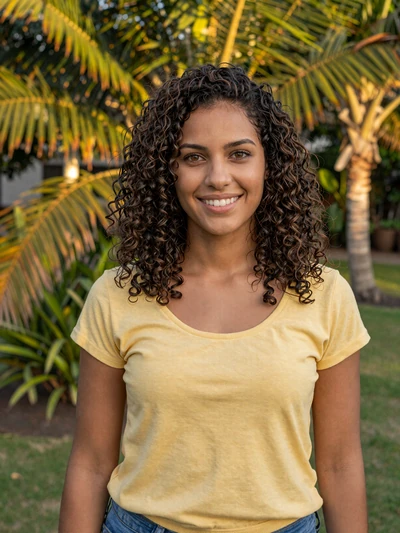
Carolina, 27
Medellín, Colombia
 ✓
✓
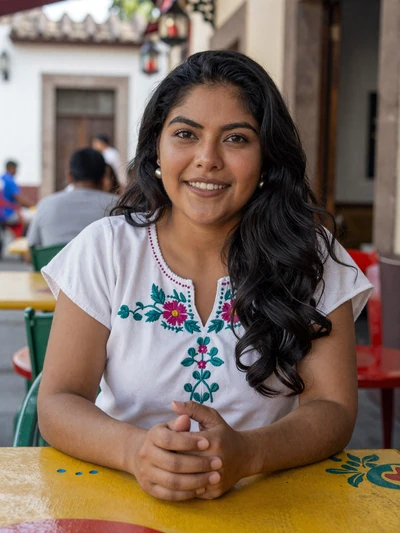
Mariana, 25
Santo Domingo, DR
 ✓
✓
Fernanda, 30
Mexico City, Mexico
 ✓
✓
Daniela, 28
Lima, Peru
 ✓
✓
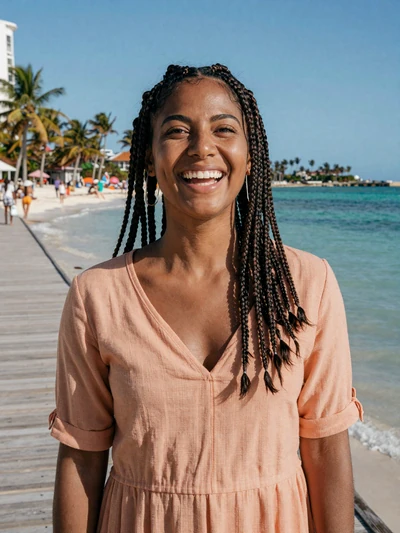
Juliana, 26
Bogotá, Colombia
 ✓
✓
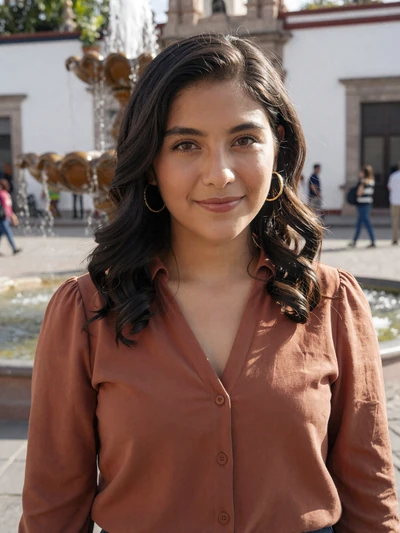
Rosa, 29
Santiago, DR
 ✓
✓
Paola, 24
Guadalajara, Mexico
 ✓
✓
Camila, 31
Barranquilla, Colombia
Frequently Asked Questions About K-1 Visas for Latin Brides
The average K-1 visa processing time is 6-9 months from filing Form I-129F to your fiancée's arrival in the US. The petition review by USCIS takes 5-7 months, followed by 4-8 weeks for the National Visa Center transfer, document gathering, medical exam, and consular interview. Processing times vary by consulate - the US Embassy in Bogotá currently averages 7 months total, while Mexico City averages 8 months.
Not immediately. Your fiancée enters the US on the K-1 visa, which does not include work authorization. After you marry within the 90-day window, she files Form I-485 (Adjustment of Status) and can simultaneously file Form I-765 (Employment Authorization Document). The EAD typically arrives 3-5 months after filing, at which point she can legally work in the US.
If you don't marry within 90 days, your fiancée's K-1 visa expires and she is required to leave the United States. There is no extension available. She would need to depart voluntarily to avoid future immigration complications. This is why planning your wedding logistics before her arrival is critical - have the marriage license process, venue, and officiant arranged in advance.
Yes. USCIS requires proof that you have met your fiancée in person within the past two years. You must provide evidence of this meeting - dated photos together, travel itineraries, hotel receipts, and passport stamps. There are limited exceptions for extreme hardship or cultural/religious restrictions, but these are rarely granted. Plan at least one trip, ideally two, to strengthen your application.
USCIS looks for consistent, sustained communication and a documented relationship history. Strong evidence includes: photos together with timestamps, flight bookings and boarding passes, hotel receipts, phone call logs, WhatsApp/video chat histories, a detailed relationship timeline narrative, greeting cards or gift receipts, statements from friends and family who know the couple, and any shared financial commitments. The more diverse your evidence, the stronger your case.
No, but it's the fastest for marriage-bound couples. Alternatives include the CR-1 spousal visa (marrying abroad first, then applying - takes 10-14 months but grants immediate permanent residency) and the B-1/B-2 tourist visa (not intended for immigration purposes and risky). For couples who are certain about marriage, the K-1 is the most efficient path, with an average 6-9 month timeline from filing to arrival.
Your Path to Marriage Starts Here
The K-1 fiancée visa is a proven, well-established legal pathway that has united thousands of American men with their Latin American partners. With over 4,800 K-1 visas issued annually to fiancées from Latin America alone, and a 9% divorce rate that dramatically outperforms domestic marriages, the data confirms what our members already know: these relationships are built to last.
Whether you're falling for a Colombian woman in Medellín, a Dominican woman in Santo Domingo, or a Mexican woman in Guadalajara, the K-1 process is your bridge from long-distance longing to everyday togetherness. Start with a genuine connection on 20 Singles Dating, build your relationship with intention, and let the visa process bring your future to life.